Boat noodles (gǔay-dtǐao-reua)
ก๋วยเตี๋ยวเรือ
gǔay-dtǐao-reua
The name, part by part — one piece does not decompose
| Part | Sound | What it means |
|---|---|---|
| ก๋วยเตี๋ยว | gǔay-dtǐao | a borrowing — see the note; it names the whole noodle-soup category, not any one bowl |
| เรือ | reua | boat |
A borrowed category word plus one transparent Thai qualifier: the noodle-soup family, boat version. The name tells you nothing about the dark, blood-thickened broth or the tiny stacking bowls — only that it is a ก๋วยเตี๋ยว and that it came off a boat.
ก๋วยเตี๋ยว is not built from Thai parts. It is a loanword from Chinese (Teochew), and the hub deliberately files it with the names that do not decompose: everything after it does the describing (ก๋วยเตี๋ยวหมู, ก๋วยเตี๋ยวเนื้อ). Do not try to parse the two syllables. เรือ, by contrast, is ordinary Thai for boat and points at the Ayutthaya canal trade the bowls came from.
How Thai dish names are built, in full: Thai food, dish by dish.
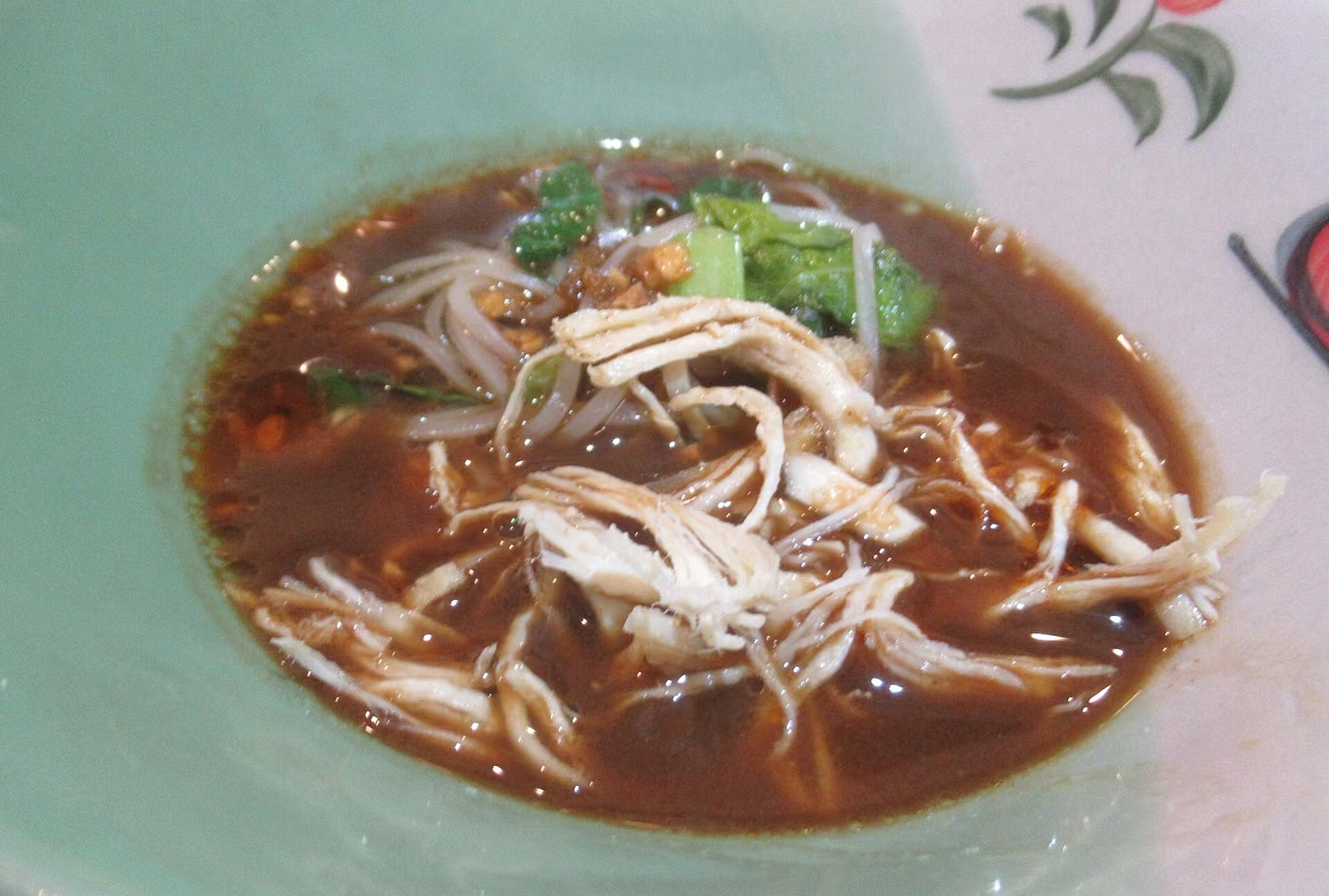

Intense small bowls of dark broth thickened with blood (เลือด), pork or beef, noodles of your choice, served in portions so small you stack five to fifteen bowls and pay by the tower. Ayutthaya canal food that became a Bangkok institution.
Spice medium Dark, herbal, peppery; you season the rest yourself.
What is in it Rice noodles (you choose the width), pork or beef plus offal and meatballs, dark herbal broth finished with blood, morning glory, bean sprouts, crispy pork rinds.
Vegetarian and allergies No. This is the least vegetarian dish in Thailand.
Say it at every level
A1.1 Order it
One bowl to test: ก๋วยเตี๋ยวเรือหมูครับ (gǔay-dtǐao-reua mǔu khráp). Pick a noodle when asked: เส้นเล็ก (sên lék, thin) is the classic.
A2 Make it yours
Order like you mean it: มาห้าชามก่อน (five bowls to start). The four-jar seasoning set (ปรุง, bprung: fish sauce, vinegar chilli, chilli powder, sugar) is YOURS to use; not seasoning at all reads as timid.
B1 Talk about it
The blood question, asked and answered plainly: ใส่เลือดไหม (with blood?), น้ำตก (náam-dtòk) means with, น้ำใส without. Count your tower at the end like everyone does: กี่ชามครับ, how many bowls was that?
C1 to native Own it
The bowl-stacking flex is real culture: จัดไปสิบห้าชาม (fifteen bowls, let's go) is a rite of passage, and there are shops with per-bowl prices engineered for exactly this. Referencing วัดชามกัน, measuring each other in bowls, is native-level table talk.
Hungry for the words too? Ordering food phrases