Burmese pork curry (gaeng-hang-lee)
แกงฮังเล
gaeng-hang-lee
The name, part by part — one piece does not decompose
| Part | Sound | What it means |
|---|---|---|
| แกง | gaeng | a wet dish built on a paste or a seasoned broth — it promises liquid and rice, not coconut milk and not heat |
| ฮังเล | hang-lee | a borrowing — see the note |
One readable Thai part and one that is not: แกง tells you it is a wet paste-built dish eaten with rice, and ฮังเล has to be learnt whole. The name gives no hint that this curry has no coconut milk in it.
ฮังเล is a northern name of Burmese descent — this site's own dish page gives the source as Burmese hin lay — and it will not parse with central Thai words. แกง in front of it is the only readable part. Note also what แกง does not promise: this is a dry-spice braise with no coconut milk, unlike แกงเขียวหวาน or แกงมัสมั่น.
How Thai dish names are built, in full: Thai food, dish by dish.
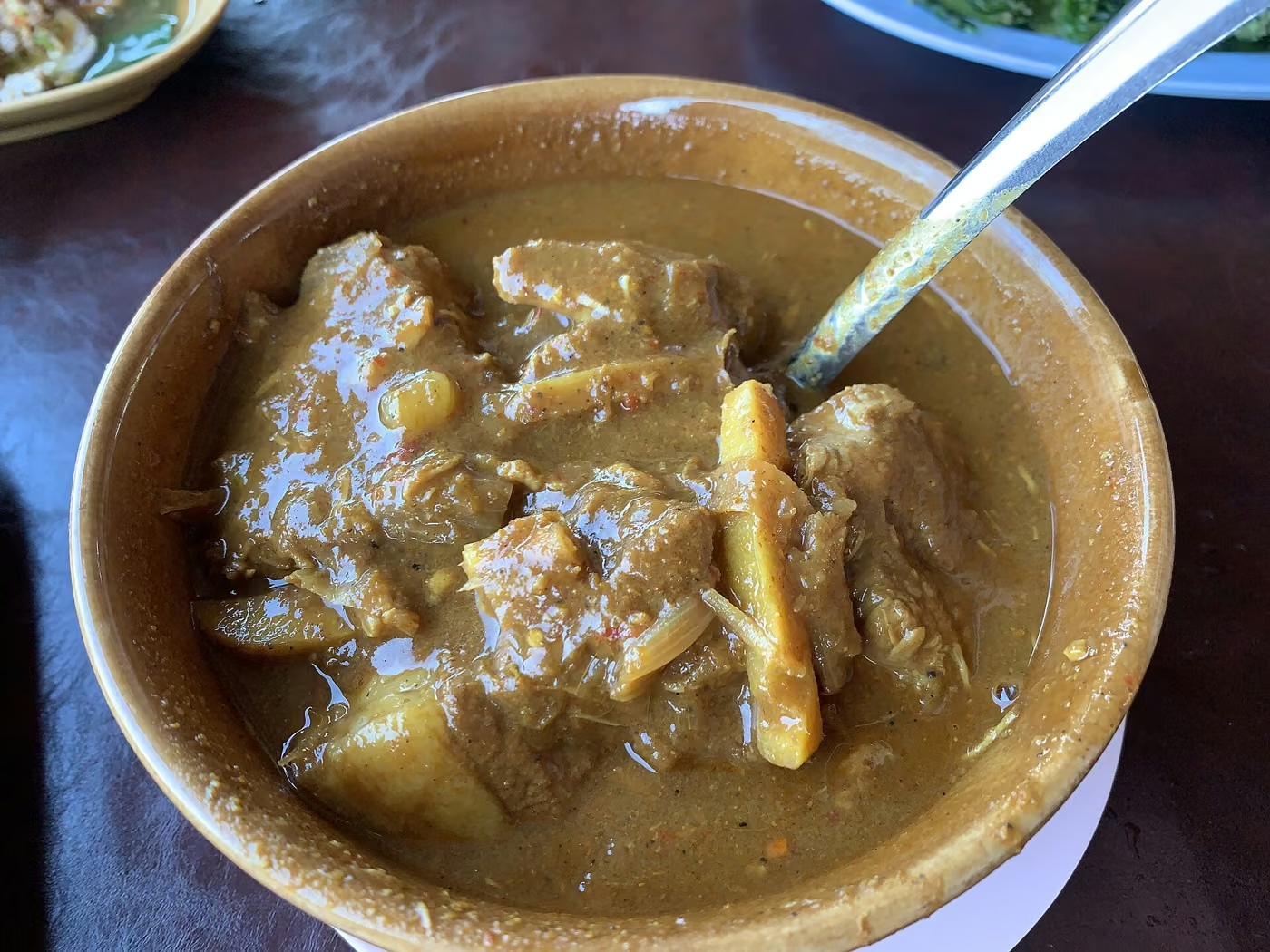

The north's slow pork-belly curry of Burmese descent: no coconut milk, a dark braise of pork in a dry-spice paste with pickled garlic, ginger shreds and tamarind, sweet-sour-rich in a way no central curry is. Temple-festival and wedding food in Chiang Mai.
Spice mild Rich, gingery and tamarind-sour; almost no chilli burn.
What is in it Pork belly and shoulder, hang-le powder (a masala: cumin, coriander seed, turmeric), pickled garlic, young ginger, tamarind, palm sugar, peanuts in some family recipes.
Vegetarian and allergies A pork braise; no.
Say it at every level
A1.1 Order it
แกงฮังเลครับ (gaeng-hang-lee khráp), with sticky rice, ข้าวเหนียว, as the north intends.
A2 Make it yours
The follow-the-locals move: at a northern ข้าวซอย shop, ordering hang le as the second dish, เอาฮังเลด้วย, marks you as someone who reads the whole menu.
B1 Talk about it
Its passport is the conversation: ฮังเลมาจากพม่า (hang le comes from Burma), the name from Burmese hin lay, and the Lanna kingdom's food owing as much to Burma as to Bangkok is a history discussion every northerner enjoys.
C1 to native Own it
The dish opens the Lanna identity door: อาหารเหนือไม่ใช่อาหารไทยภาคกลาง (northern food is not central Thai food) is a mild political statement locals appreciate hearing a foreigner understand. Follow with the kǎan-dtoke dinner tradition, ขันโตก, and you are dining in Lanna, not just in Thailand.
Hungry for the words too? Ordering food phrases