Clear soup (gaeng-jèut)
แกงจืด
gaeng-jèut
The name, part by part — it reads straight through
| Part | Sound | What it means |
|---|---|---|
| แกง | gaeng | a wet dish built on a paste or a seasoned broth — here with no paste in it at all |
| จืด | jèut | unseasoned, without strong flavour |
Both parts are transparent and the whole is still a warning: it reads as bland curry and is neither bland nor a curry. It is the clear pork broth that sits on the table to rest your mouth between the hot dishes.
จืด is not an insult but a category — the deliberate un-spicy element a Thai table is built around — which is why this soup is named that on purpose. And this is the clearest proof that แกง does not mean curry: แกงจืด has no paste in it. Beware too that แกงจืดเต้าหู้ names the tofu and not the broth, which is usually pork.
How Thai dish names are built, in full: Thai food, dish by dish.
.jpg)
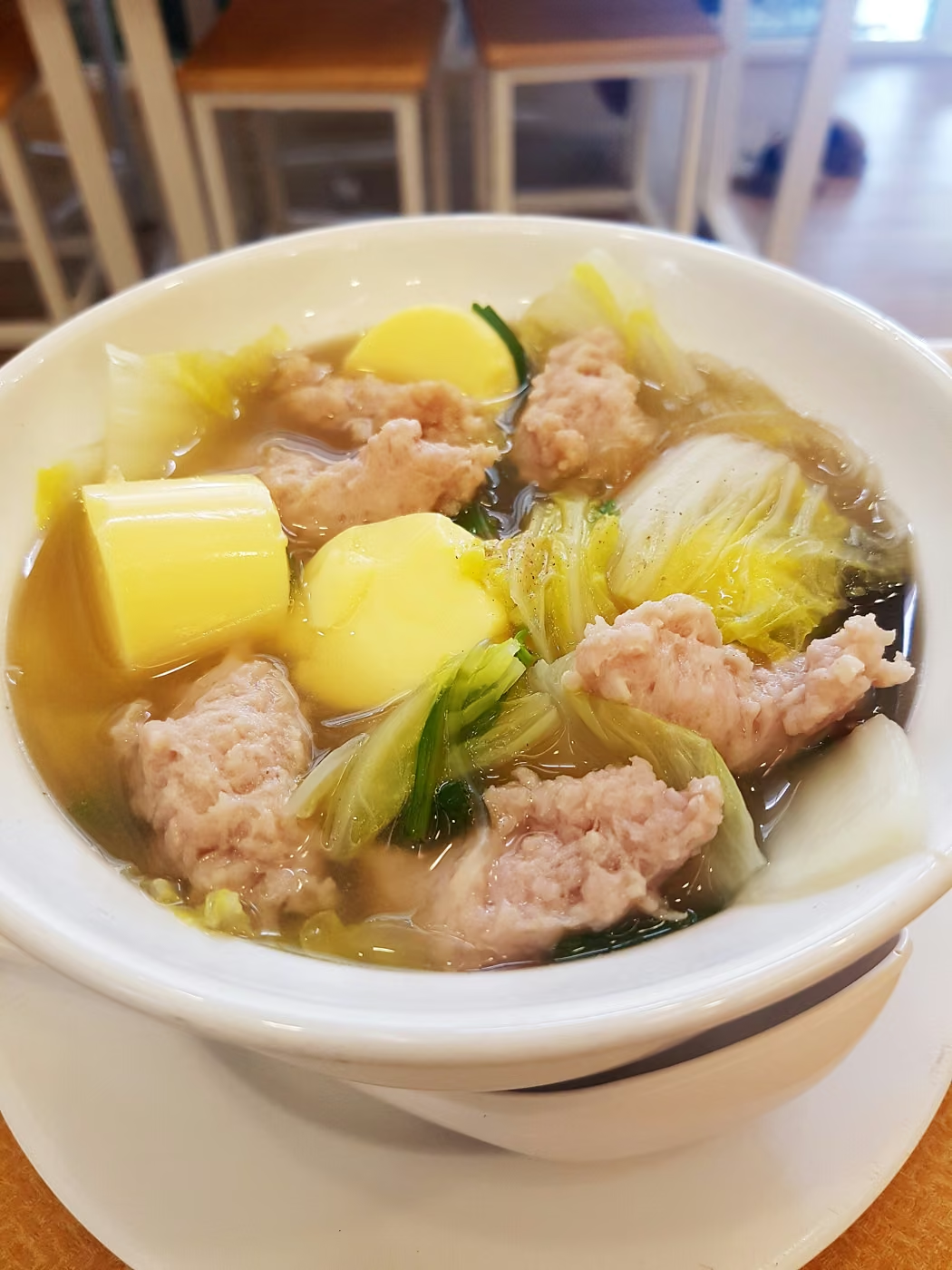
The gentle clear soup that balances every Thai table: soft tofu, minced pork, glass noodles and Chinese cabbage in a clean pork broth. Its job is to rest the tongue between spicy dishes; no Thai family dinner is complete without something จืด.
Spice none Literally named "bland curry", and proudly so.
What is in it Clear pork or chicken broth, soft egg tofu, minced pork (often stuffed into bitter gourd or squid in variants), glass noodles, napa cabbage, spring onion, coriander, white pepper.
Vegetarian and allergies Vegetable-and-tofu versions are natural: แกงจืดเต้าหู้ ไม่ใส่หมูครับ.
Say it at every level
A1.1 Order it
แกงจืดเต้าหู้หมูสับครับ (gaeng-jèut dtâo-hûu mǔu sàp khráp), tofu and minced pork clear soup.
A2 Make it yours
Use it the way tables do: สั่งแกงจืดมาตัดเผ็ด (order a clear soup to cut the heat). That sentence explains itself to any waiter.
B1 Talk about it
จืด (bland) as a taste word extends to people and situations: หนังจืด (a flat film), คนจืด (a beige personality). The soup is the reference point that makes the metaphor land.
C1 to native Own it
The dish is the ecosystem argument in miniature: Thai meals are BUILT as hot-sour-salty-sweet-bland systems, not dish-by-dish. สำรับ (sǎm-ràp), the composed table, is the concept word; observing มื้อนี้ขาดจืด (this meal lacks a bland element) is native-level table architecture.
Hungry for the words too? Ordering food phrases